


Municipal Challenges in Adopting Electric Buses
Public transportation is the lifeblood of any city, but the heavy reliance on aging diesel buses has turned this vital system into a major source of air pollution and greenhouse gas emissions. Today, municipalities and urban planners worldwide face mounting pressure to embrace sustainable urban mobility and transition toward zero-emission public transit. However, replacing diesel buses with an electric buses means much more than simply buying new vehicles. It is a massive, systemic shift that presents complex financial and infrastructure challenges for city management. In this article, we explore these hurdles and the strategic solutions municipalities can adopt.
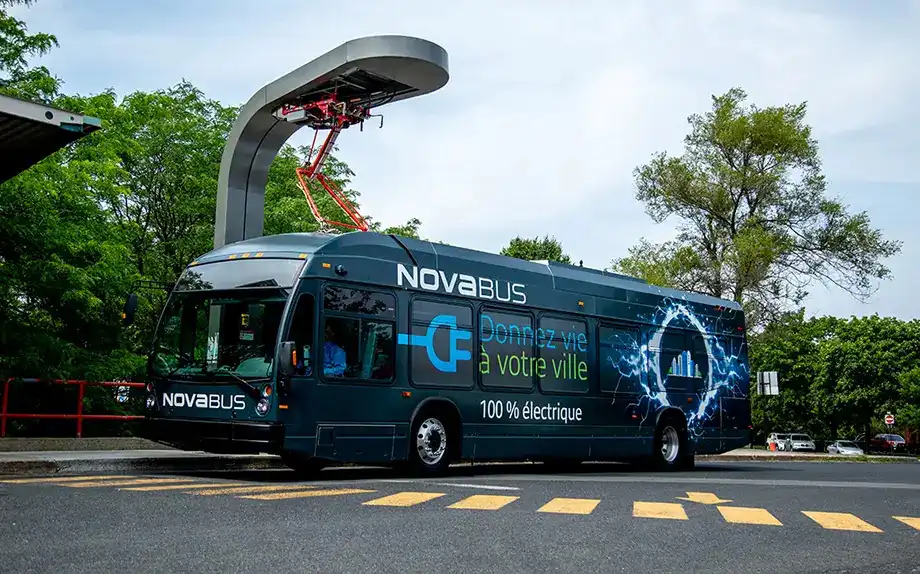
Why is the Shift to Electric Buses Essential?
Before diving into the challenges, it is crucial to understand why leading cities are taking on this complex transition:
- Zero Carbon Emissions: Electric buses produce no direct tailpipe emissions, playing a critical role in helping cities reach their “Net Zero” climate goals.
- Noise Reduction: Electric motors operate silently, significantly reducing urban noise pollution and improving the quality of life in busy streets.
- Lower Long-Term Operational Costs: While the upfront investment is high, electric buses have fewer moving parts, resulting in substantially lower maintenance and fuel costs over time compared to internal combustion engines.
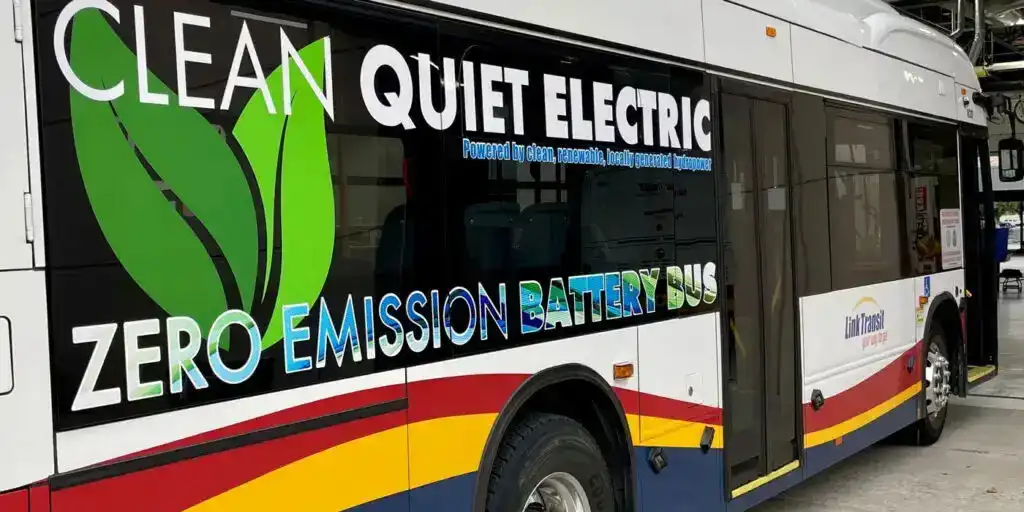
The Financial Hurdles for Municipalities
Funding remains the most significant roadblock for local governments undertaking these large-scale projects.
- High Upfront Costs: An electric bus typically costs 1.5 to 2 times as much as a standard diesel bus. For municipalities with tight budgets, this price gap becomes a staggering financial barrier when scaling up to a full fleet.
- Hidden Costs and Battery Degradation: Batteries are the heart of electric buses but have a lifespan of about 7 to 10 years. Municipalities must budget for massive, cyclical battery replacement costs from day one.
- Massive Charging Infrastructure Investment: Installing fast-charging stations at depots and across the city requires heavy capital injection that is often underestimated in early planning phases.
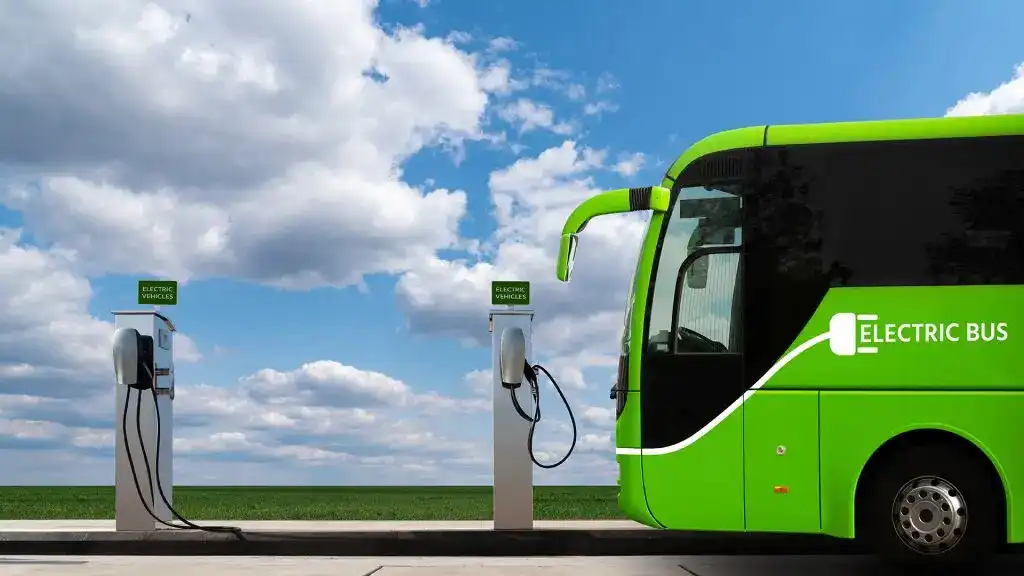
Infrastructure and Urban Management Challenges
Even if funding is secured, deploying electric buses requires serious urban preparation:
- Power Grid Capacity: Charging dozens or hundreds of electric buses simultaneously demands an enormous amount of electricity. Many local power grids lack the capacity to handle this sudden load and require major substation upgrades.
- Space Constraints in Depots: Retrofitting existing bus depots with charging stations and heavy-duty transformers requires physical space. In densely populated cities where land is at a premium, this is a major engineering and spatial challenge.
- Range Anxiety and Route Optimization: Unlike diesel buses that can run all day on a single tank, electric buses have limited range. Cities must design smart scheduling systems to optimize routes based on topography, traffic, and battery life to ensure buses don’t run out of power mid-transit.
Global Solutions to Overcome the Barriers
Modern city management requires innovative strategies. Successful cities worldwide use the following approaches:
- Public-Private Partnerships (PPP): Outsourcing the installation and maintenance of charging infrastructure to private companies in exchange for long-term service contracts.
- Phased Rollouts (Pilot Programs): Instead of an overnight fleet replacement, cities electrify a specific route first (like a BRT lane) to identify micro-challenges before a massive rollout.
- Smart Charging Systems: Utilizing software to charge buses during off-peak hours (e.g., overnight) to reduce strain on the local power grid and take advantage of cheaper electricity rates.
Electrifying public transport is not a luxury; it is a necessity for the survival of future cities. Although the financial and infrastructure challenges for municipalities are severe, transitioning from diesel to electric is entirely achievable through strategic planning, private sector investment, and smart technologies like the iAPP urban management software.