


From Calls to Apps: Modern Citizen Reporting
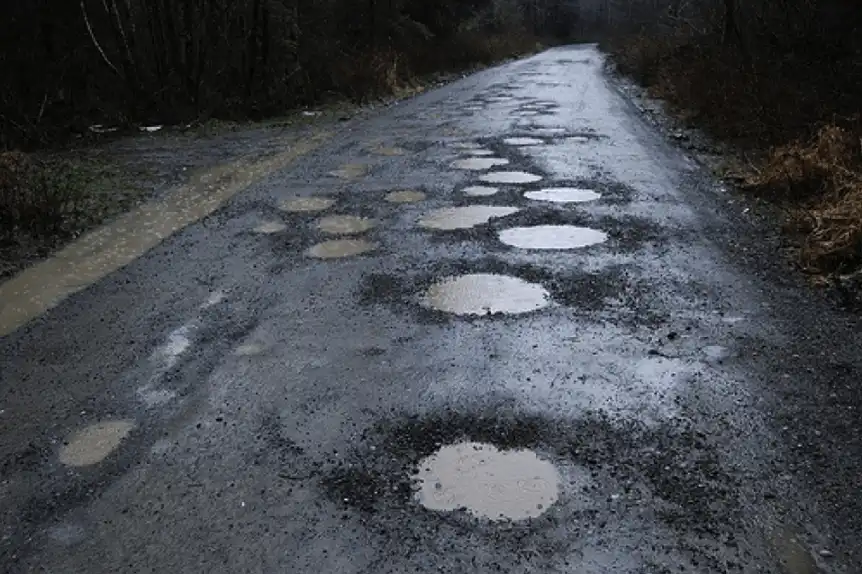
We have all encountered this scenario: a deep pothole in the middle of the street, a broken streetlamp making an alley dark and unsafe, or a burst water pipe on the sidewalk. In the past, reporting these urban issues to the local municipality meant waiting on hold for hours, being bounced between different administrative departments, and ultimately, having no idea if the problem was ever resolved.
Today, however, leading municipalities worldwide are abandoning traditional paper and phone-based systems in favor of digital platforms and smart applications. In this article, we will explore how successful global systems in North America, Europe, and other regions have revolutionized the management of civic complaints. We will also discuss why equipping local governments with comprehensive Municipal CRM (Customer Relationship Management) app is no longer just an option, but an absolute necessity.
The Evolution of Citizen Engagement
The initial idea was incredibly simple: create a centralized communication portal for non-emergency urban issues to reduce the traffic burden on emergency lines (like 911). This led to the launch of the 311 System in the United States during the mid-1990s.
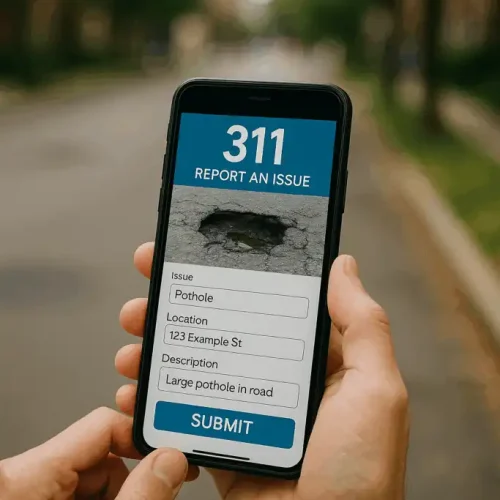
With the widespread adoption of the internet and smartphones, these basic phone lines evolved into comprehensive citizen engagement platforms. Today, in cities like New York, Chicago, and Toronto, the 311 system operates as an integrated ecosystem comprising a mobile app, a web portal, and social media channels.
In the UK, a similar platform called FixMyStreet allows citizens to pin local issues directly on an interactive map. In the Middle East and developing nations, the deployment of comprehensive urban management software is being modeled precisely on this successful global architecture, creating a transparent bridge between citizens and municipal districts.
How Does Smart Municipal Management Software Work?
When a citizen encounters an issue—such as illegal dumping or a damaged road—within a smart city ecosystem, the reporting and resolution process follows these automated steps:
- GPS-Enabled Issue Logging: The citizen opens the municipality’s app and takes a photo of the issue. The software automatically records the geographical coordinates (Geo-tagging), entirely eliminating address and location errors.
- Auto-Routing and Categorization: The moment a report is submitted, the smart system analyzes the issue type and location. It then routes the ticket directly to the digital dashboard of the relevant contractor, district, or execution team—without requiring time-consuming human intervention or paperwork.
- Ticketing and Transparency: The citizen receives a tracking code (ticket number). They can monitor the real-time status of their report (e.g., Under Review, Assigned to Contractor, Resolved) on a map or via SMS notifications.
- Closing the Loop with Documentation: Once the issue is fixed (e.g., the pothole is patched), the execution team uploads a photo of the repaired site into the system. The case is then officially closed, and a final SMS notification is sent to the citizen.
Key Benefits of Smart Citizen Reporting Systems for Local Governments
Deploying comprehensive software for receiving and managing urban issues is a “win-win” scenario that offers numerous advantages for city managers:
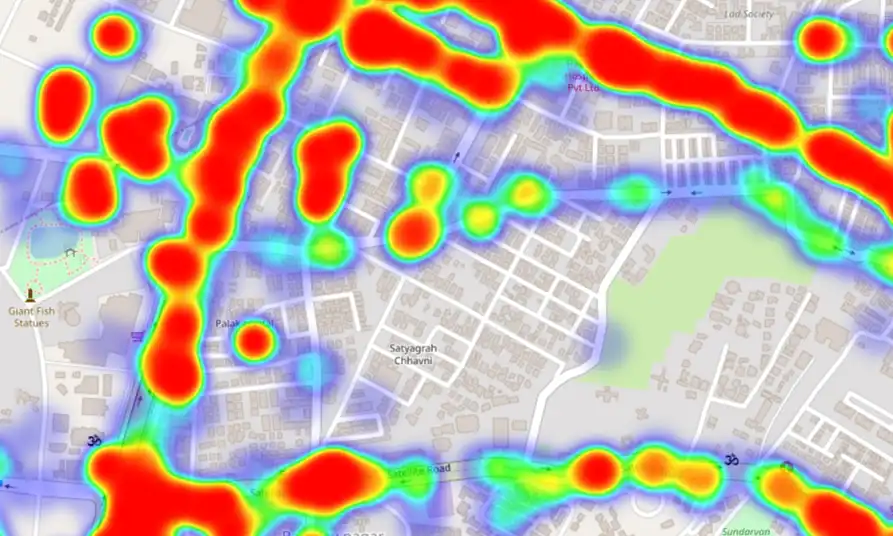
- Data-Driven Decisions and Smart Budgeting: When all data is collected in a centralized database, city managers can utilize Heat Maps within the software dashboard. This allows them to identify exactly which neighborhoods suffer from the most infrastructure issues (like broken asphalt or sewage blockages) and allocate the development budget precisely where it is needed most.
- Precise Contractor Monitoring: By digitizing reports, municipalities can effortlessly evaluate the average response time and the quality of work provided by contractors across different districts.
- Boosting Public Trust and Social Capital: When citizens see that an issue reported via an app is resolved in just a few days—and the entire process is transparent—their sense of belonging and trust in the local government dramatically increases.
The era of managing large cities through endless paperwork and unresolved phone calls is over. Modern municipalities require a transition toward integrated software systems to meet the daily needs of their citizens. Investing in citizen reporting platforms, such as the iAPP urban management software, not only reduces operational costs for the municipality but also empowers citizens, transforming them into a powerful observational and executive arm to help build a better, smarter city.