


Waste to Energy: From Trash to Power
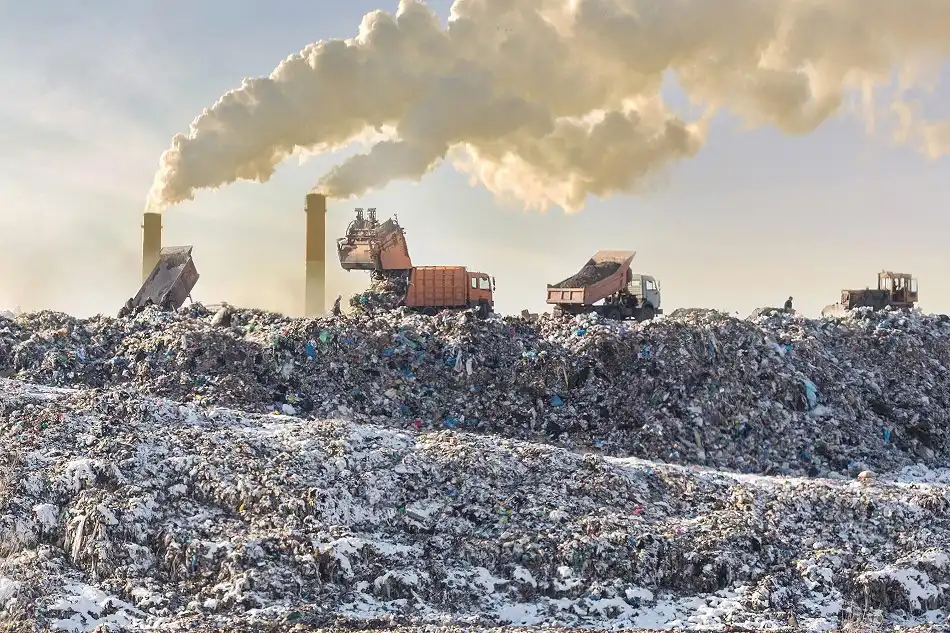
With continuous population growth and rapid economic development, solid waste management has become one of the biggest challenges facing modern cities. At the same time, the global demand for clean and sustainable energy sources is rising. Here, Waste to Energy (WtE) technology emerges as a brilliant solution that kills two birds with one stone: safe waste disposal and the simultaneous generation of electricity and heat.
In this article, we will explore how modern waste incinerators work and how they have transformed from mere garbage disposal tools into advanced power plants.
What is Waste to Energy (WtE) Technology?
Waste-to-Energy technology is a treatment process through which energy in the form of electricity or heat is generated from the thermal treatment of waste. This technology mostly relies on the direct combustion (incineration) of Municipal Solid Waste (MSW) and is considered one of the fundamental pillars of the circular economy and smart city management.
How Do Modern Waste Incinerators Work?
Modern incinerators are no longer just open ovens emitting toxic smoke as they did in the past. Instead, they are highly complex and advanced engineering facilities that operate according to the following stages:
– Reception and Unloading
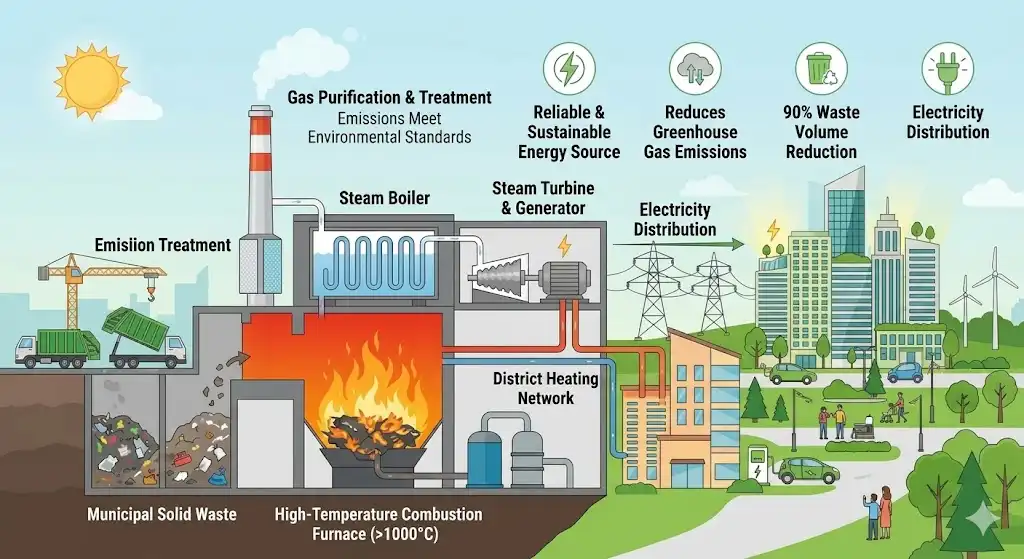
Garbage trucks arrive at the facility and unload their cargo into a large bunker. Giant cranes are used to mix the waste to ensure its homogeneity, and then it is transferred to the combustion furnace.
– Combustion and Heat Generation
The waste is burned in massive furnaces where temperatures reach over 1000°C. This extreme heat ensures the complete destruction of organic materials and foul odors.
– High-Pressure Steam Production
The immense heat generated from combustion is used to heat water inside huge boiler pipes located above the furnace. The water turns into superheated, high-pressure steam.
– Electricity and Heat Generation
This pressurized steam is directed towards the blades of a Steam Turbine connected to an electrical generator. As the turbine spins, electricity is produced and sent directly to the national grid. Additionally, the remaining (low-pressure) steam can be used in district heating networks to warm nearby homes and commercial buildings.
– Emissions and Gas Treatment
What distinguishes modern incinerators is their gas purification system. Before the smoke exits the chimney, it passes through advanced filtration systems (scrubbers and baghouse filters) that neutralize acidic gases and capture fine particulate matter and heavy metals. This ensures that emissions comply with the strictest global environmental standards.
Environmental and Economic Benefits of WtE
Investing in Waste to Energy facilities offers multiple advantages for municipalities and city managers:
- Waste Volume Reduction: This process reduces the volume of waste by up to 90%, thereby significantly decreasing the need for landfills that consume vast areas of land.
- Greenhouse Gas Mitigation: This technology prevents waste from decomposing in landfills and emitting methane, a greenhouse gas much more potent than carbon dioxide.
- Reliable Energy Source (Base-load Power): Unlike wind or solar power, which depend on the weather, waste-to-energy plants operate 24 hours a day, 7 days a week.
- Metal Recovery: Metals are extracted from the residual bottom ash after combustion and recycled for use in construction and heavy industry.
Waste to Energy technology represents a quantum leap in the way cities manage their resources and waste. It is not merely a means to get rid of garbage; by utilizing advanced systems like the iAPP urban management software, these facilities function as clean power plants that contribute to building sustainable cities, reducing reliance on fossil fuels, and protecting the environment for future generations.