


Leachate Management: Leakage Risks & Treatment
Landfills are a fundamental part of urban infrastructure, but they hide a ticking environmental time bomb known as landfill leachate. This highly toxic liquid is formed when rainwater percolates through layers of compressed garbage, reacting with organic and chemical materials.
In this article, we highlight the catastrophic environmental risks of leachate leakage and explore the latest global technologies used for leachate treatment and damage mitigation.
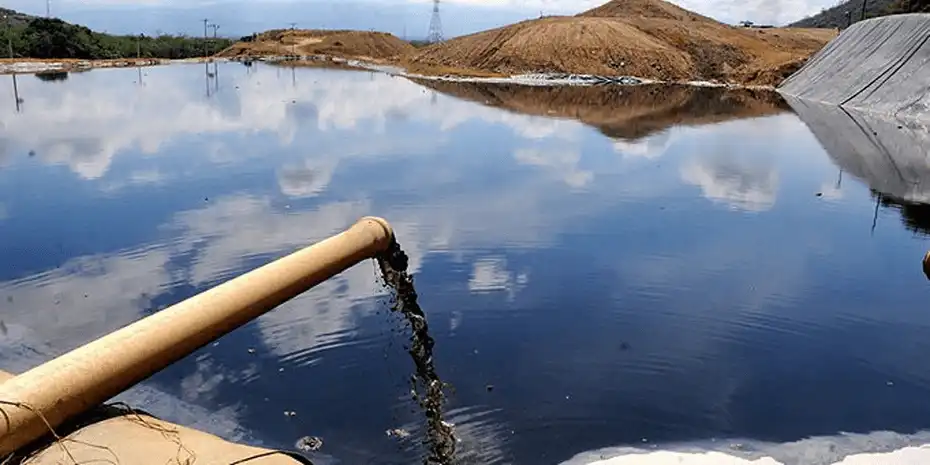
The Environmental Risks of Landfill Leachate Leakage
If landfills are not properly lined and managed, leachate can seep into the ground, causing irreversible environmental and health hazards:
- Groundwater and Surface Water Pollution: This is the most severe risk. Landfill leachate contains high concentrations of heavy metals (such as lead and mercury), ammonia, and toxic organic compounds. Its infiltration into groundwater means the contamination of primary drinking water and irrigation sources.
- Destruction of Soil Fertility: When leachate leaks into surrounding agricultural lands, it alters the soil’s pH levels and kills beneficial microorganisms. This leads to soil desertification and the destruction of agricultural crops.
- Threat to Aquatic Life: If leachate finds its way into rivers or lakes, it severely depletes the dissolved oxygen in the water due to a high Biological Oxygen Demand (BOD) and Chemical Oxygen Demand (COD). This results in fish suffocation and the death of marine life.
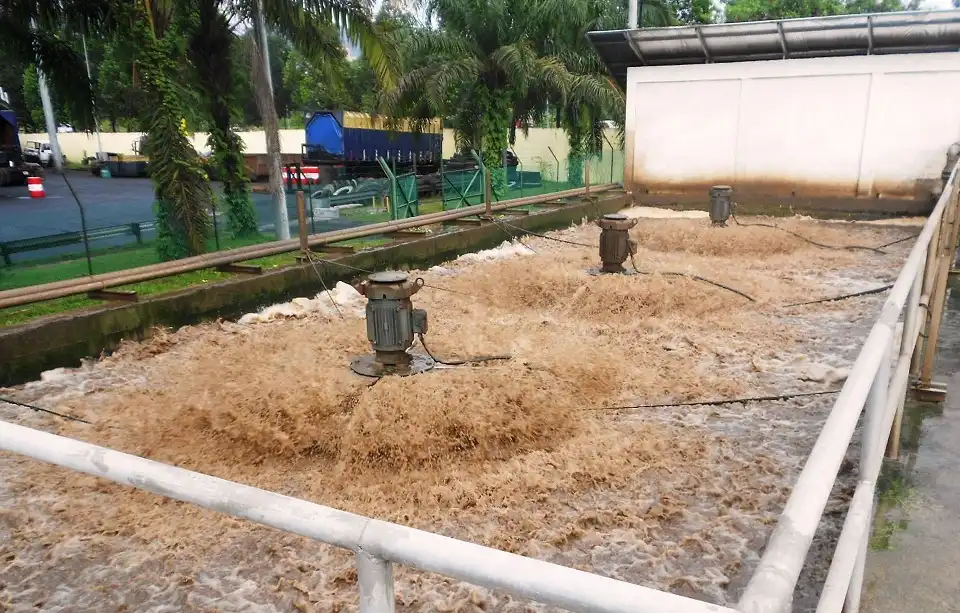
Advanced Technologies for Landfill Leachate Treatment
Due to the complex chemical composition of landfill leachate, relying on a single purification method is insufficient. Modern leachate management systems depend on integrating multiple technologies to produce safe water that can be reused or discharged without harm:
Biological Treatment
This is the first and most common step for removing organic matter and ammonia. This technology uses specialized bacteria (aerobic or anaerobic) that feed on organic pollutants, breaking them down into gases—such as methane, which can be harvested for energy generation—and harmless byproducts.
Physical and Chemical Treatment
This method is used to eliminate pollutants that bacteria cannot digest, such as heavy metals. This phase involves coagulation and flocculation processes, where chemicals are added to bind with the pollutants, forming solid particles that are easily separated and precipitated.
Reverse Osmosis (RO) and Membrane Technologies
Considered one of the most advanced and precise technologies globally, this process forces pre-filtered leachate through ultra-fine semi-permeable membranes. These membranes only allow pure water molecules to pass through while trapping microscopic salts and toxins, ensuring the production of high-purity water.
Thermal Evaporation
In regions where biological treatment is difficult to apply due to extremely high toxicity concentrations, thermal evaporation is utilized. The leachate is heated to evaporate the water, which is then condensed to yield pure water. The remaining pollutants are left behind as solid sludge, which is then disposed of safely.
The Future of Smart Waste Management
Underestimating landfill leachate management costs governments and communities heavily in the health and environmental sectors. Today’s era demands the design of modern engineered landfills equipped with advanced collection and treatment systems.
Furthermore, managing these facilities through smart digital solutions, such as the iAPP urban management software, is crucial to ensuring the protection of water resources and achieving global sustainable development goals.