


Circular Economy in Construction Waste Management
The shift towards sustainable construction begins with how we handle our waste. By investing in construction waste management technologies, adopting the principles of the circular economy, and relying on advanced digital solutions like the iAPP urban management software, municipalities and contracting companies can organize this process with high efficiency. This not only boosts their profits but also contributes to building a greener, more sustainable future for generations to come.
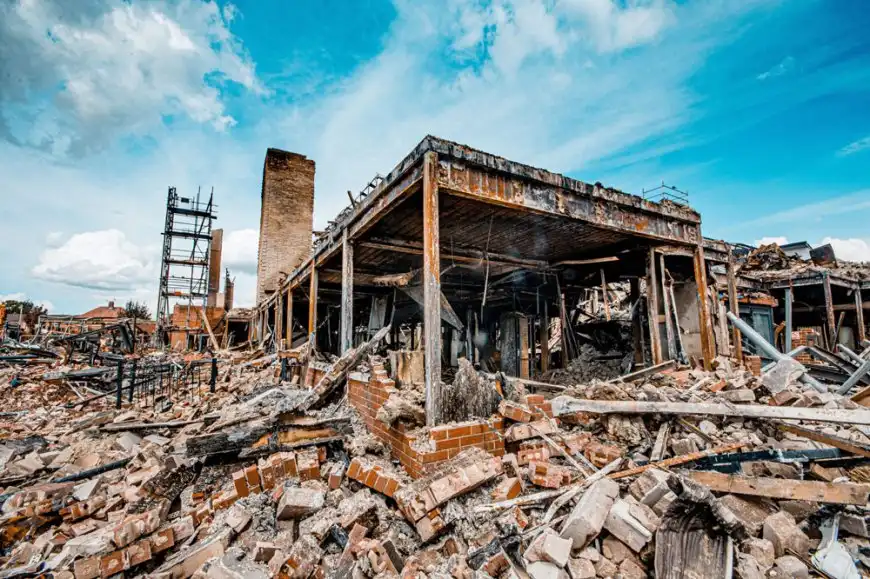
What is Construction and Demolition (C&D) Waste?
Construction waste consists of materials generated from the construction, renovation, or demolition of buildings and infrastructure. These materials primarily include:
- Concrete and bricks.
- Wood and metals (such as iron and aluminum).
- Glass and plastics.
- Asphalt and insulation materials.
The Importance of Effective Construction Waste Management
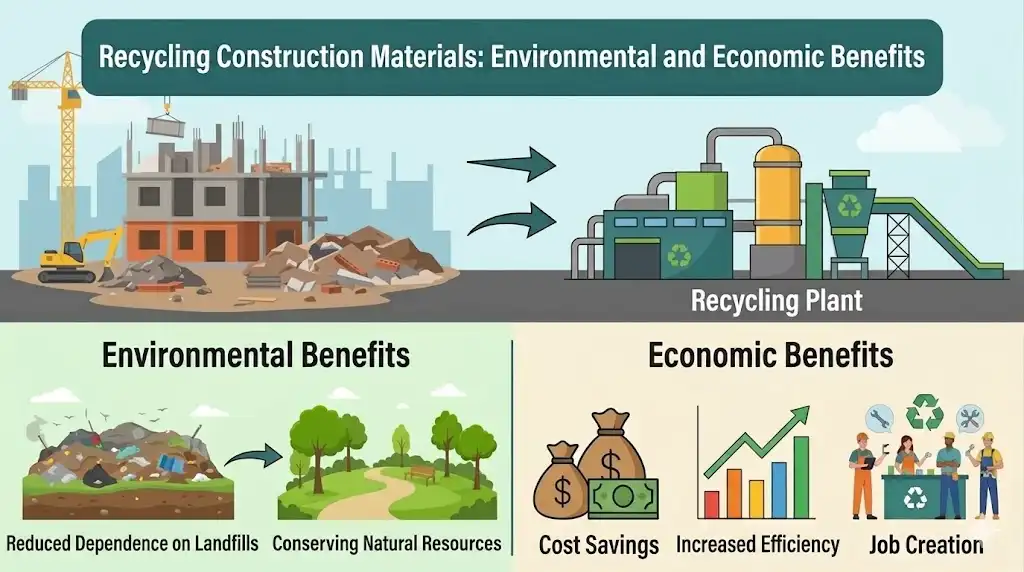
Implementing a robust management system for C&D waste offers endless benefits, which can be divided into two main categories:
Environmental Benefits:
- Reducing Landfill Dependency: Diverting vast areas of land that would otherwise be used as landfills into green spaces or developmental projects.
- Preserving Natural Resources: By recycling building materials, we reduce the need to extract virgin raw materials (such as gravel, sand, and timber), thereby protecting vital ecosystems.
Economic Benefits:
- Cost Savings: Reusing recycled materials on-site or selling them significantly reduces the costs of purchasing new materials, as well as waste transportation expenses.
- Job Creation: The waste sorting and recycling sector opens broad horizons for new employment opportunities within the market.
Strategies for Handling Construction Waste
To maximize benefits, it is essential to follow the standard waste management hierarchy:
- Reduce: Meticulous project planning to accurately calculate the required quantities and avoid ordering surplus materials.
- Reuse: Utilizing materials in their original state for other projects, such as repurposing intact doors, windows, or timber.
- Recycle: Processing damaged or leftover materials to transform them into new products. For example, crushing old concrete to use as a base layer for road paving.
The shift towards sustainable construction begins with how we handle our waste. By investing in construction waste management technologies and adopting circular economy principles, contracting companies can enhance their profitability while making a vital contribution to a greener and more sustainable future for upcoming generations.