


Fixing Street Potholes with Technology and Citizen Reports
You have probably experienced driving smoothly down a street when suddenly your car hits a deep pothole, breaking your train of thought. Street potholes and asphalt damage not only harm vehicles but are also major causes of accidents and citizen dissatisfaction. However, leading municipalities around the world no longer wait for a small crack to turn into a massive, costly crisis. In this article, we explore how the combination of citizen participation and modern technologies helps municipalities nip asphalt damage in the bud.
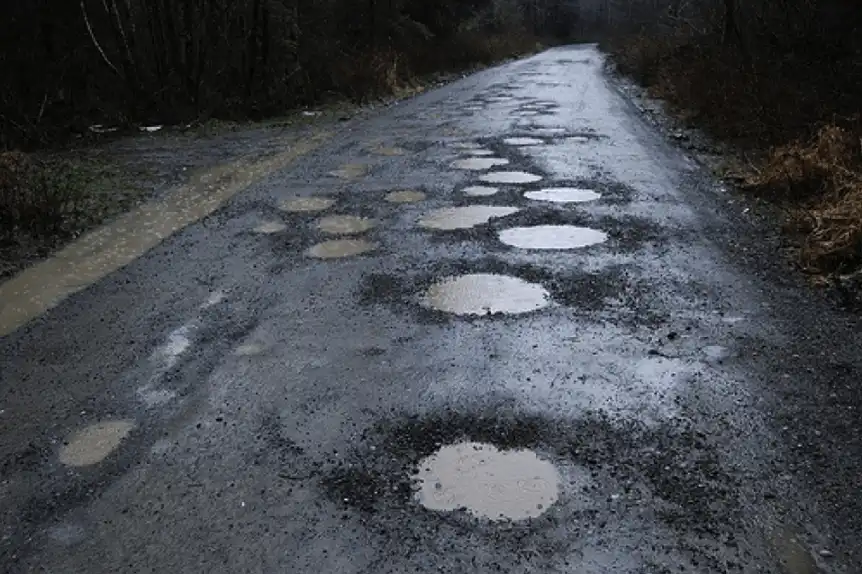
Why Do Potholes Become a Costly Crisis?
Potholes do not appear overnight. The deterioration process usually begins with a small crack. Water infiltration into the asphalt sub-base, temperature fluctuations, and the pressure from passing vehicles cause these cracks to expand. Research shows that if municipalities can identify and repair asphalt damage in its early stages (cracking), road maintenance costs can be reduced by up to 80%. Otherwise, complete milling of the asphalt and base reconstruction will be required, demanding a massive budget.
Citizens: The Watchful Eyes of the City (Crowdsourcing)
The first line of defense for smart municipalities against potholes is the citizens themselves. With the proliferation of smartphones, the concept of “crowdsourcing” has become highly prominent in urban management:
- Urban Reporting Apps: By providing dedicated platforms and apps, municipalities allow citizens to take a photo as soon as they spot a dangerous pothole or crack in the asphalt.
- Precise Location Tracking (GPS): These apps automatically record the exact geographical coordinates and send them to the municipal command center.
- Transparency and Reward: When citizens see that their report is tracked and the pothole is filled in less than 48 hours, they become more motivated to participate.
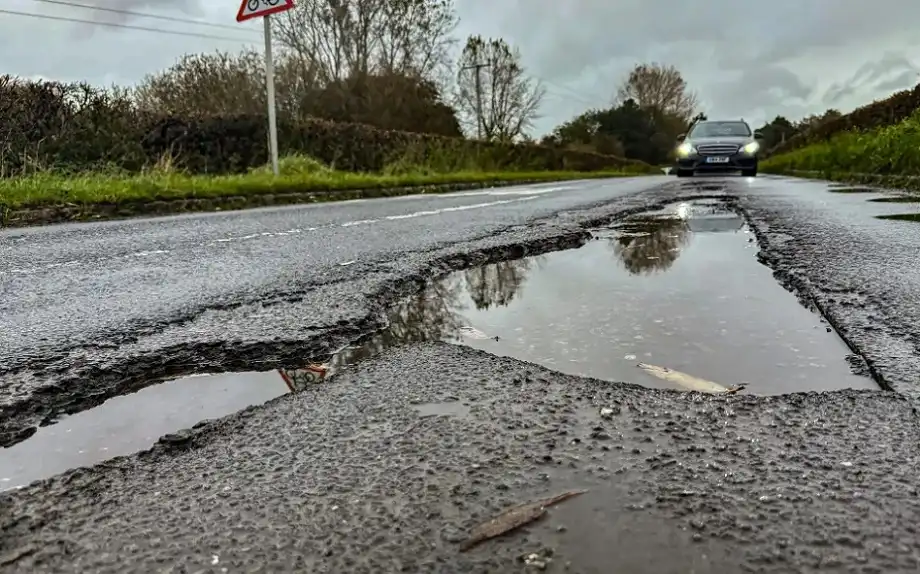
Modern Technologies at the Forefront of the Battle Against Asphalt Damage
In addition to citizen reports, advanced technologies are also automatically scanning the streets:
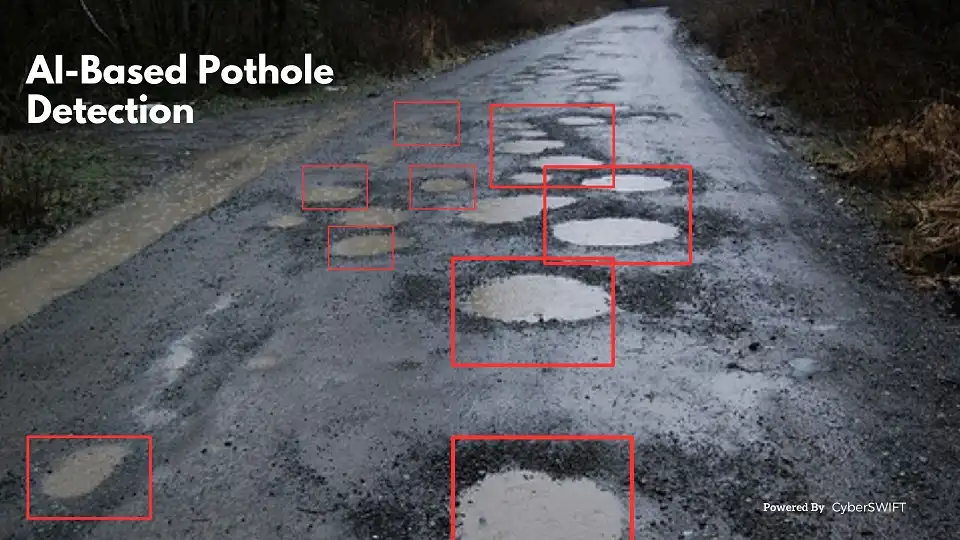
- Artificial Intelligence (AI) and Smart Cameras: Some municipalities install AI-equipped cameras on public vehicles (like buses and garbage trucks). As they travel their daily routes, these cameras scan the street surface and, through image processing, identify cracks and potholes before they grow.
- Vibration Sensors: Installing special sensors on the chassis of municipal vehicles allows the system to record the intensity of vibrations when passing over bumps, marking the exact location of the asphalt damage on the city map.
- Big Data Analytics: By analyzing the collected data, software systems can predict which streets will need asphalt resurfacing in the next 6 months based on traffic volume and weather conditions.
Benefits of a Preventive Approach for Municipalities
Combining citizen participation and technology offers numerous benefits:
- Significant Cost Reduction: Prevention is always cheaper than the cure. Timely patching prevents the complete destruction of the infrastructure.
- Increased Safety: Reducing accidents caused by cars suddenly swerving to avoid potholes.
- Extended Asphalt Lifespan: Timely maintenance can increase the useful life of a street by 5 to 10 years.
Urban road management is no longer a traditional, reactive task. Successful municipalities have warmly embraced modern technologies and, by creating interactive platforms such as iAPP urban management software, utilize the incredible potential of citizens to monitor the city. Overcoming the “nightmare of potholes” is only possible when city managers, artificial intelligence, and people collaborate within a smart, integrated ecosystem.